Maurice Cordero
What a More Productive Philippines Looks Like Inside a Business
What a More Productive Philippines Looks Like Inside a Business
Key Takeaways
The Philippines needs to make productivity a bigger driver of economic growth to reach its long-term income goals.
For businesses, productivity can mean reducing repetitive work, improving processes, and giving teams faster access to useful information.
Automation and connected systems can help businesses spend less time managing routine tasks and more time running the business.
Understanding business processes first can help companies decide which areas need improvement and where technology can help.
BaseUp Labs helps businesses move from process discovery to automation and integrated systems through solutions such as Odoo ERP, its Odoo HR Suite, Denara POS, and Shopify Connect.
The Philippines has made strong economic progress over the past 15 years. The economy grew by an average of 5.3 percent per year since 2010, while unemployment and poverty rates also declined. McKinsey's latest report, Resilience to Relevance: The Next Philippines' Takeoff?, says the country now faces a different challenge. The Philippines needs to become more productive, competitive, and capable of exporting at a larger scale to reach high-income status in the 2045 to 2050 period.
McKinsey estimates that the country would need sustained annual GDP growth of around 6.0 to 7.5 percent for the next two decades. Productivity would also need to account for nearly half of economic growth by 2045. The report estimates that raising productivity by 30 to 40 percent over the next decade, together with a larger export sector, could significantly improve incomes, attract investment, and create better jobs.
These are national goals. They also raise a practical question for businesses: What does a more productive Philippines look like for your business?
The productivity challenge starts inside the business
For a business owner, productivity is rarely something measured through GDP figures. It can be much simpler.
It can mean an employee finishing a report in an hour instead of three. It can mean a manager getting the information needed for a decision without asking several departments. It can mean a sales order reaching inventory and finance without someone having to encode the same information again.
As businesses grow, these small tasks can become a bigger part of daily operations.
A company may start with spreadsheets, email, paper records, messaging apps, and separate software for different functions. These tools can work well when operations are still small. As the number of employees, customers, transactions, products, and suppliers grows, the same setup can become harder to manage.
Information gets copied from one file to another. Employees wait for approvals. Teams maintain their own records. Managers spend time checking which numbers are current. Someone may even become the person everyone depends on because they are the only one who knows how a particular process works.
The business is growing, but the way it works may not have grown with it.
Technology can take routine work off your team's plate
McKinsey identifies technology as one of the ways the Philippines can increase its productive capacity. The report points to digital infrastructure, skills, data governance, and practical applications of AI as part of the country's path forward.
For an SME, this opportunity can start with something much more familiar than AI. It can start with automation.
Technology can handle repetitive steps, move information between processes, trigger approvals, generate reports, and give teams access to the same business data. These changes can reduce the amount of time people spend moving information around and give them more time to work on tasks that require their experience and judgment.
Consider a simple sales transaction. Without connected systems, a customer order may be recorded by sales, passed to another employee for inventory checking, sent to accounting for recording, and eventually included in a management report. Each step can involve another file, another message, or another manual entry.
With connected systems, the same transaction can move through the relevant parts of the business using shared information. That is where an ERP can make a difference.
An ERP connects business functions in one system, allowing information from areas such as sales, inventory, purchasing, accounting, and operations to work together. Instead of asking employees to keep every part of the business connected manually, the system handles much of that work.
Start by understanding how your business works
There is an important step before deciding what to automate. A business needs to understand its existing processes.
Companies often know that something takes too long or creates too much work. They may know that employees are encoding information several times or that reports take too long to prepare. They may also know that a process depends heavily on one person.
The harder question is finding out exactly where the problem starts, how it moves through the organization, and what should be fixed first. This is where BaseUp Labs approaches Discovery as a standalone service.
Discovery can document how a business currently works and identify the gaps between its current processes and where it wants to go. The work can include Business Process Documentation, Gap Analysis, a Risk Registry, a Priority Map, and prototypes.
These outputs can help a business make better decisions about its operations and technology. They can also remain useful even when the company is still deciding whether to implement an ERP.
The goal is to give the business a clearer view of what needs to change.
Build technology around the business
Once a business understands its processes, it can make more informed decisions about technology.
For companies that need to connect their core operations, BaseUp Labs customizes and implements Odoo ERP around their actual workflows. Its work with businesses such as RE/MAX Capital and Environatural Corporation shows how the platform can be adapted to industry-specific processes, reporting requirements, approval workflows, and other operational needs.
AI can add another layer to these systems by helping teams work with the business information they already have. Businesses can use AI within their existing systems to assist with routine tasks, surface useful information, generate reports and insights, and support faster decisions. This gives employees more time to focus on work that requires their judgment and experience.
The same approach applies to other parts of the business. BaseUp Labs' Odoo HR Suite brings employee records, attendance, leave, payroll, government contributions, scheduling, expenses, and other HR functions into a centralized system designed for Philippine requirements. With business information organized in one place, companies can also explore AI-assisted tools that make everyday HR work easier and help teams get useful information faster.
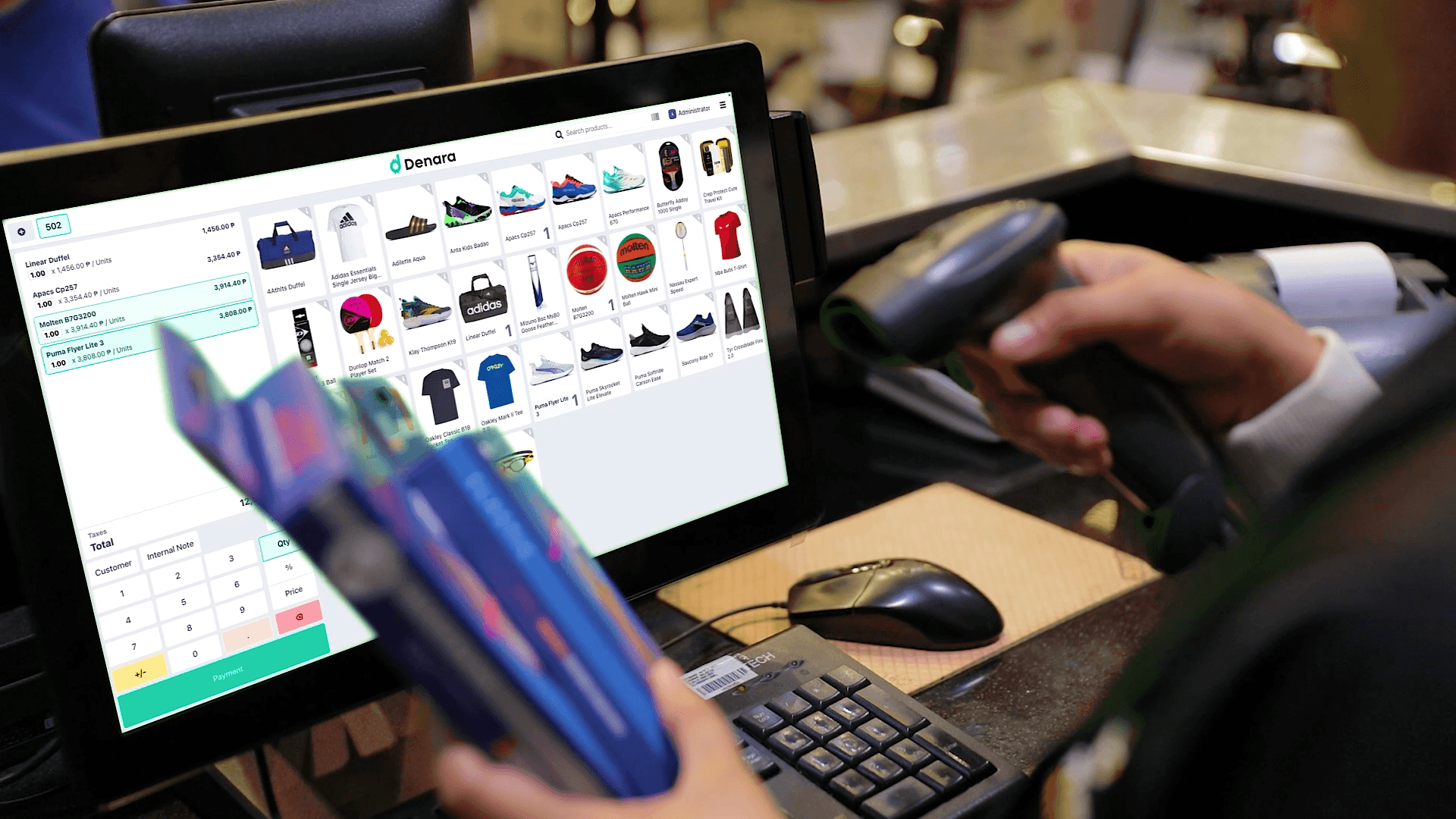
For businesses selling through physical stores and online channels, keeping sales and inventory information in sync can become a challenge. Denara POS provides the software and hardware for managing in-store sales, while Shopify Connect links Shopify with Odoo. Together with an integrated Odoo setup, these solutions can help businesses manage sales and inventory across different channels from one connected system.
A more productive Philippines starts with more productive businesses
McKinsey's report looks at the Philippines at the national level. It calls for a shift from "more" to "better" and points to productivity as a major part of the country's next phase of growth.
For businesses, that shift can start with everyday work. A more productive business can spend less time on repetitive tasks, move information more efficiently, reduce errors, and give its people better tools to make decisions. It can also use automation and AI to handle routine work, surface useful information, and help employees work with greater speed and accuracy.
That is where understanding the business becomes important. Once companies know where time, resources, and information are being lost, they can decide what to improve, what to automate, and where AI can help people work more effectively.
BaseUp Labs helps businesses take that step through process discovery, automation, AI-enabled productivity, ERP customization, and business solutions designed for Philippine SMEs. As technology continues to evolve, the opportunity is to build systems that do more of the routine work while giving people better information to make better decisions.
Ready to make your business work better? BaseUp Labs can help you understand your processes, identify opportunities, and build the right technology around your business. Call +63 2 8531 3187 or schedule a free consultation to get started.
Key Takeaways
The Philippines needs to make productivity a bigger driver of economic growth to reach its long-term income goals.
For businesses, productivity can mean reducing repetitive work, improving processes, and giving teams faster access to useful information.
Automation and connected systems can help businesses spend less time managing routine tasks and more time running the business.
Understanding business processes first can help companies decide which areas need improvement and where technology can help.
BaseUp Labs helps businesses move from process discovery to automation and integrated systems through solutions such as Odoo ERP, its Odoo HR Suite, Denara POS, and Shopify Connect.
The Philippines has made strong economic progress over the past 15 years. The economy grew by an average of 5.3 percent per year since 2010, while unemployment and poverty rates also declined. McKinsey's latest report, Resilience to Relevance: The Next Philippines' Takeoff?, says the country now faces a different challenge. The Philippines needs to become more productive, competitive, and capable of exporting at a larger scale to reach high-income status in the 2045 to 2050 period.
McKinsey estimates that the country would need sustained annual GDP growth of around 6.0 to 7.5 percent for the next two decades. Productivity would also need to account for nearly half of economic growth by 2045. The report estimates that raising productivity by 30 to 40 percent over the next decade, together with a larger export sector, could significantly improve incomes, attract investment, and create better jobs.
These are national goals. They also raise a practical question for businesses: What does a more productive Philippines look like for your business?
The productivity challenge starts inside the business
For a business owner, productivity is rarely something measured through GDP figures. It can be much simpler.
It can mean an employee finishing a report in an hour instead of three. It can mean a manager getting the information needed for a decision without asking several departments. It can mean a sales order reaching inventory and finance without someone having to encode the same information again.
As businesses grow, these small tasks can become a bigger part of daily operations.
A company may start with spreadsheets, email, paper records, messaging apps, and separate software for different functions. These tools can work well when operations are still small. As the number of employees, customers, transactions, products, and suppliers grows, the same setup can become harder to manage.
Information gets copied from one file to another. Employees wait for approvals. Teams maintain their own records. Managers spend time checking which numbers are current. Someone may even become the person everyone depends on because they are the only one who knows how a particular process works.
The business is growing, but the way it works may not have grown with it.
Technology can take routine work off your team's plate
McKinsey identifies technology as one of the ways the Philippines can increase its productive capacity. The report points to digital infrastructure, skills, data governance, and practical applications of AI as part of the country's path forward.
For an SME, this opportunity can start with something much more familiar than AI. It can start with automation.
Technology can handle repetitive steps, move information between processes, trigger approvals, generate reports, and give teams access to the same business data. These changes can reduce the amount of time people spend moving information around and give them more time to work on tasks that require their experience and judgment.
Consider a simple sales transaction. Without connected systems, a customer order may be recorded by sales, passed to another employee for inventory checking, sent to accounting for recording, and eventually included in a management report. Each step can involve another file, another message, or another manual entry.
With connected systems, the same transaction can move through the relevant parts of the business using shared information. That is where an ERP can make a difference.
An ERP connects business functions in one system, allowing information from areas such as sales, inventory, purchasing, accounting, and operations to work together. Instead of asking employees to keep every part of the business connected manually, the system handles much of that work.
Start by understanding how your business works
There is an important step before deciding what to automate. A business needs to understand its existing processes.
Companies often know that something takes too long or creates too much work. They may know that employees are encoding information several times or that reports take too long to prepare. They may also know that a process depends heavily on one person.
The harder question is finding out exactly where the problem starts, how it moves through the organization, and what should be fixed first. This is where BaseUp Labs approaches Discovery as a standalone service.
Discovery can document how a business currently works and identify the gaps between its current processes and where it wants to go. The work can include Business Process Documentation, Gap Analysis, a Risk Registry, a Priority Map, and prototypes.
These outputs can help a business make better decisions about its operations and technology. They can also remain useful even when the company is still deciding whether to implement an ERP.
The goal is to give the business a clearer view of what needs to change.
Build technology around the business
Once a business understands its processes, it can make more informed decisions about technology.
For companies that need to connect their core operations, BaseUp Labs customizes and implements Odoo ERP around their actual workflows. Its work with businesses such as RE/MAX Capital and Environatural Corporation shows how the platform can be adapted to industry-specific processes, reporting requirements, approval workflows, and other operational needs.
AI can add another layer to these systems by helping teams work with the business information they already have. Businesses can use AI within their existing systems to assist with routine tasks, surface useful information, generate reports and insights, and support faster decisions. This gives employees more time to focus on work that requires their judgment and experience.
The same approach applies to other parts of the business. BaseUp Labs' Odoo HR Suite brings employee records, attendance, leave, payroll, government contributions, scheduling, expenses, and other HR functions into a centralized system designed for Philippine requirements. With business information organized in one place, companies can also explore AI-assisted tools that make everyday HR work easier and help teams get useful information faster.
For businesses selling through physical stores and online channels, keeping sales and inventory information in sync can become a challenge. Denara POS provides the software and hardware for managing in-store sales, while Shopify Connect links Shopify with Odoo. Together with an integrated Odoo setup, these solutions can help businesses manage sales and inventory across different channels from one connected system.
A more productive Philippines starts with more productive businesses
McKinsey's report looks at the Philippines at the national level. It calls for a shift from "more" to "better" and points to productivity as a major part of the country's next phase of growth.
For businesses, that shift can start with everyday work. A more productive business can spend less time on repetitive tasks, move information more efficiently, reduce errors, and give its people better tools to make decisions. It can also use automation and AI to handle routine work, surface useful information, and help employees work with greater speed and accuracy.
That is where understanding the business becomes important. Once companies know where time, resources, and information are being lost, they can decide what to improve, what to automate, and where AI can help people work more effectively.
BaseUp Labs helps businesses take that step through process discovery, automation, AI-enabled productivity, ERP customization, and business solutions designed for Philippine SMEs. As technology continues to evolve, the opportunity is to build systems that do more of the routine work while giving people better information to make better decisions.
Ready to make your business work better? BaseUp Labs can help you understand your processes, identify opportunities, and build the right technology around your business. Call +63 2 8531 3187 or schedule a free consultation to get started.